
A Week of Game Programming Lessons
Learn the latest programming skills and techniques to develop games across platforms including consoles, mobile, PCs, virtual reality, and more. The demand for high production value in games continues to increase with new tools, middleware, and technical skills required to solve difficult development problems.

One-Day Summit | Monday | March 18, 2024
This one-day summit provides profession insights into the state-of-the-art graphical techniques used by some of the most visually advanced games on the planet. Summit speakers will dive deep into the technical details and optimizations that drive the graphical fidelity of their games, sharing both lessons learned as well as ideas for future directions and advancements. Attendees of the summit should be familiar with modern rendering APIs such as DirectX or Vulkan, real-time shading languages, the basics of GPU programmable pipelines, as well as common real-time graphics algorithms. Some knowledge of game engine rendering architecture is helpful but not strictly required. The summit strives to focus on vendor-neutral techniques so that each session will have the potential to benefit all engines and shaders.

Raytracing in Snowdrop: An Optimized Lighting Pipeline for Consoles
Quentin Kuenlin (Senior Rendering Programmer, Massive Entertainment – a Ubisoft Studio)

GPU Work Graphs: Welcome to the Future of GPU Programming
Matthäus Chajdas (Software/Hardware Architect, AMD)
Shawn Hargreaves (Dev Manager, Direct 3D, Microsoft)
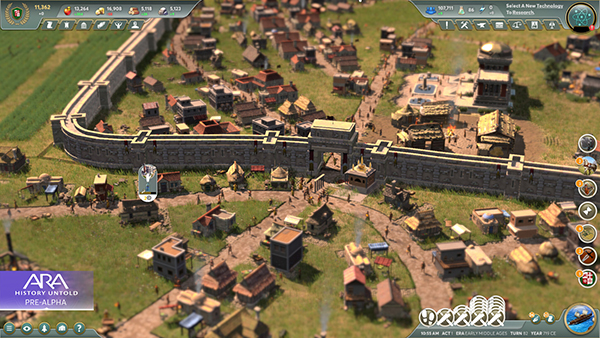
Generalized Decoupled Shading: Enhancing Rendering Efficiency and Quality
Dan Baker (Founder and Lead Graphics Architect, Oxide Games)

Two-Day Summit | Monday and Tuesday | March 18-19, 2024
Join top game AI programmers for panels and lectures, in addition to conversations, debates, and microtalks on how game AI can move forward. The AI Summit is targeted to intermediate to advanced programmers who want deeper insight, but anyone interested in what AI can offer next-generation games will gain invaluable insights.
Every Day I'm Shufflin': Neural Network Variations for Digital Deck-Builders
Theresa Duringer (CEO, Temple Gates Games)
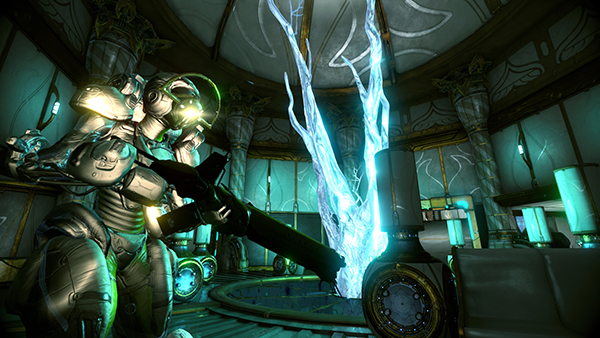
The Evolution of AI in 'Warframe'
Daniel Brewer (Lead AI Programmer, Digital Extremes)

Skyscraper Zombies: Advancing 'Call of Duty's' Systems for Giant AI
Andrew Hoyt (Gameplay Engineer, Treyarch)

One-Day Summit | Tuesday | March 19, 2024
The Machine Learning Summit will feature in-depth technical presentations to answer your most salient questions on how ML techniques can help you make better games. Discover where Machine Learning can assist developers in creating better games, while improving production and creation processes. Assess the new Machine Learning processes that can be offered to players, ranging from being able to create new, original experiences to better adapting games to players’ needs as they play.
Taming the Beast: Leveraging Machine Learning to Curb the Cost of Continuous Integration
Sarra Habchi (R&D Scientist, Ubisoft)

From Photo to Expression: Generating Photorealistic Facial Rigs
Hau Nghiep Phan (Technical Art Director, Electronic Arts)

'SaGa Emerald Beyond': Balancing Battle with Reinforcement Learning AI
Miyake Youichiro (Lead AI Researcher, SQUARE ENIX)
Core Concepts Sessions: Programming
Wednesday-Friday | March 20-22, 2024
The learning continues Wednesday through Friday with Core Concepts presentations. Check out session highlights below.
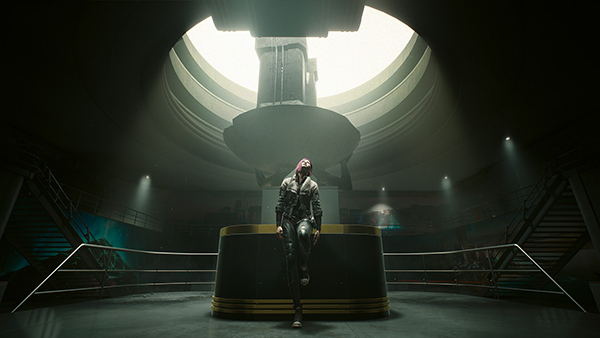
Anatomy of a Frame in 'Cyberpunk 2077: Phantom Liberty'
Charles Tremblay (VP of Technology, CD Projekt RED)
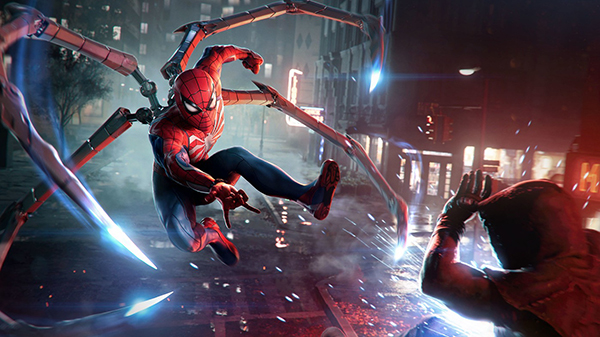
Creating Reactive and Superpowered Allies for 'Marvel's Spider-Man 2'
Jesse Werner (Senior Gameplay Programmer, Insomniac Games)

Obstacle Traversal in the Organic World of Pandora
Joel Nilsson (Senior Gameplay Programmer, Massive Entertainment - A Ubisoft Studio)